Why That Viral Product Flooding Your Feed Is Almost Certainly Going to Disappoint You
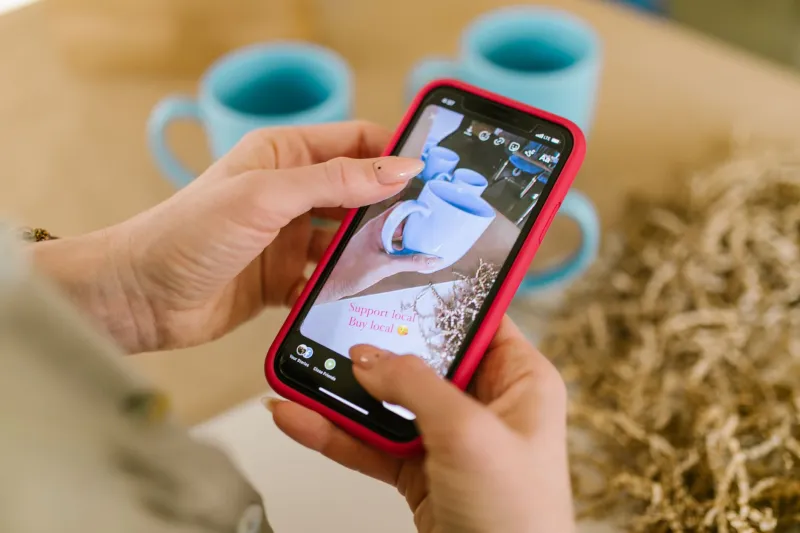
You've seen it happen. A product shows up in your TikTok feed once — maybe it's a skincare serum, a kitchen gadget, a pair of leggings — and within 48 hours, it's everywhere. Different creators, different formats, same product. By the time you've watched the fourth video, you're halfway through checkout.
That feeling isn't an accident. It's engineered. And the people engineering it are not especially concerned with whether the product delivers on its promises.
Let's talk about how the viral product machine actually works, why the algorithm is structurally designed to mislead you, and what a smarter buying framework actually looks like.
The Algorithm Rewards Excitement, Not Accuracy
Here's the foundational problem with social media product recommendations: the platforms are optimized for engagement, not truth. TikTok's algorithm surfaces content that generates watch time, shares, comments, and saves. A video of someone genuinely, excitedly claiming a $28 face oil erased their dark spots in a week will outperform a careful, measured review every single time — because excitement is engaging and nuance is not.
This creates a powerful filter. Content that goes viral is content that provokes strong emotional reactions. "This product is fine and worked okay for me" doesn't go viral. "This product literally changed my skin in three days" does. The result is a feed that systematically overpromides on behalf of whatever is being sold.
And that's before we even get to the money.
Follow the Affiliate Link
The majority of creators recommending products in your feed are making money when you buy. That's not inherently evil — people deserve to be compensated for their work — but it creates a conflict of interest that most viewers dramatically underestimate.
Affiliate marketing through platforms like LTK, Amazon Associates, and brand-direct programs means a creator earns a percentage of every sale they drive. On a viral product, that can add up to serious money fast. A mid-tier creator with 200,000 followers doesn't need a massive commission rate to earn thousands of dollars from a single trending product video.
Now ask yourself: if you were earning $4,000 in a week from recommending a product, how motivated would you be to mention that it stopped working after a month? Or that it only worked for certain skin types? Or that the results in the video were filmed under specific lighting conditions that made everything look more dramatic?
The incentive structure doesn't reward honesty. It rewards conversion.
Real Examples of Hype Outrunning Reality
Let's get specific, because this isn't abstract.
Scalp massagers went massively viral in 2022 and 2023, with creators claiming they stimulated significant hair growth. Dermatologists were pretty consistent in their response: scalp massage may modestly improve circulation, but there's limited clinical evidence it produces the dramatic regrowth results being claimed. Millions of units sold. A lot of disappointed buyers.
Pore-vacuuming devices have cycled through virality multiple times. The suction-based blackhead removers look incredibly satisfying in videos. In practice, dermatologists have warned repeatedly that they can cause broken capillaries and skin irritation, and that they don't actually remove the oxidized sebum that causes blackheads to appear dark. The videos are compelling. The results are frequently disappointing.
The Stanley tumbler craze is a slightly different case — the product itself is genuinely functional — but the buying frenzy drove people to pay scalper prices and hunt down limited-edition colors for what is, at its core, an insulated cup. The viral machine inflated perceived value far beyond what the product rationally warranted.
In each case, the algorithm amplified excitement and buried skepticism. That's not a bug. It's how the system works.
Why "Real Person" Reviews Don't Save You
A common response to influencer skepticism is to seek out "real" reviews from regular people. The problem is that social media has blurred this line almost beyond recognition.
Many brands now run seeding programs where they send free products to thousands of micro-influencers and everyday users in exchange for reviews. These aren't paid endorsements in the traditional sense — no money changes hands — so they often don't get disclosed. But they still flood the review landscape with opinions from people who received the product for free and have a natural social bias toward positivity (nobody wants to trash a gift).
Amazon reviews have a similar contamination problem. Review farms, incentivized review programs, and vine-style seeding mean that a product with 4.7 stars and 12,000 reviews may have earned most of those ratings under conditions that don't reflect your experience buying it at full price and using it without the social pressure of being "on record."
A Smarter Framework for Evaluating Hyped Products
None of this means you should never buy something you discovered on social media. It means you need a different process for evaluating it. Here's what actually works:
Wait two weeks minimum. The initial viral wave is the worst time to buy. Prices are often inflated, stock is often from opportunistic resellers, and the critical reviews haven't had time to surface yet. If the product is genuinely good, it'll still be available in two weeks.
Search for negative reviews specifically. Type "[product name] didn't work" or "[product name] disappointed" into YouTube or TikTok search. You'll find a completely different landscape than the algorithm served you. These videos exist — they just don't get promoted.
Check non-affiliated sources. Look for coverage from publications that don't run affiliate links on the specific product — actual journalism, not sponsored content dressed up as editorial. Consumer Reports, Wirecutter (with an awareness of their own affiliate model), and independent testing blogs are better signals than creator content.
Ask whether the claim is falsifiable. "This serum made my skin glow" is subjective and unverifiable. "This supplement increased my energy levels" is nearly impossible to attribute to a single product. Be especially skeptical of claims that can't be tested or measured.
Consider who the product works for. Many viral products work — just not for everyone. A hair product that produces incredible results on one hair type may do nothing on another. A supplement that genuinely helps some people may be useless for others. The viral video shows you one person's experience. Your experience is not guaranteed to match.
The Honest Bottom Line
The TikTok product pipeline is a remarkably efficient machine for turning manufactured excitement into purchase decisions. The algorithm, the affiliate incentives, the seeding programs, and the emotional pull of watching something work on camera — it all adds up to a system that's very good at getting you to buy things and not especially invested in whether those things work for you.
That doesn't mean every viral product is a scam. Some of them are genuinely great. But the virality itself is not evidence of quality — it's evidence that someone, somewhere, figured out how to make a video that made a lot of people feel like they were missing out.
Slow down. Do the homework. And remember that the algorithm's job is to keep you watching, not to help you make smart purchases. That second part is on you.