The Website You're Shopping On Right Now Might Be Charging You More Than It's Charging Someone Else
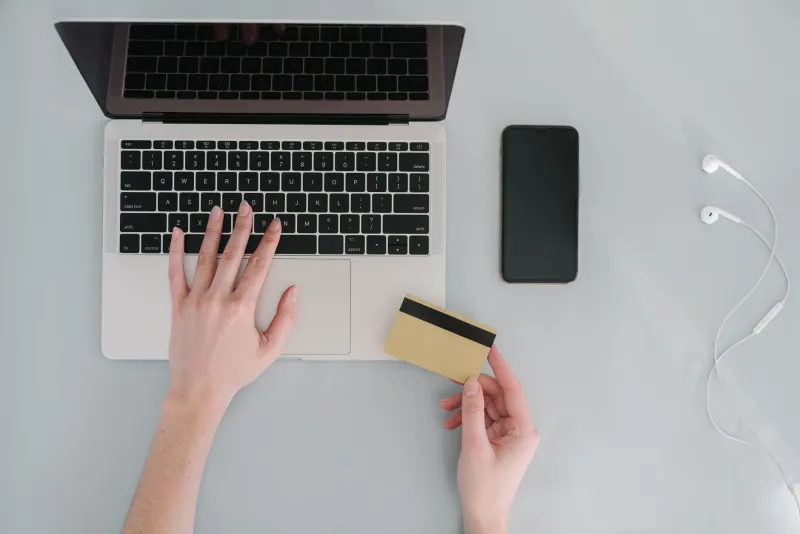
Imagine you and your neighbor both pull up the same travel booking site at the same time, searching for the same flight. You're on a MacBook. They're on a five-year-old Android. You've been browsing that route for three days. They just started looking. You see $489. They see $412.
Same flight. Same day. Different prices.
This isn't a glitch. It's a feature — built intentionally, refined over years, and increasingly common across retail, travel, and even grocery delivery. It's called dynamic pricing, and if you're not aware of it, you're probably already paying more than you should be.
What Dynamic Pricing Actually Is
Dynamic pricing isn't new in concept. Airlines have adjusted fares based on demand for decades. Hotels do it constantly. But the modern version of this practice goes much further than supply and demand adjustments.
Today's dynamic pricing systems use a combination of data points to estimate what you, specifically, are willing to pay — and then show you a price calibrated to that estimate. The inputs can include:
- Your location. ZIP codes and broader geographic regions are used to infer income levels. Shoppers in wealthier zip codes have been shown to see higher prices on certain platforms.
- Your device. Multiple studies have documented that Apple device users are sometimes shown higher prices than Android or Windows users, based on the assumption that Mac and iPhone ownership correlates with higher disposable income.
- Your browsing history. If you've visited a product page multiple times, some systems interpret that as high purchase intent — and price accordingly.
- Whether you're logged in. Logged-in users have a purchase history that platforms can analyze. Sometimes that works in your favor (loyalty discounts). Often, it doesn't.
- Time of day and day of week. Prices on some platforms fluctuate based on when you're shopping, not just what you're shopping for.
Who's Actually Doing This?
Let's name some names, because this isn't a vague industry-wide accusation — there's documented evidence.
Amazon is the most studied case. Amazon's prices change millions of times per day across its platform. A 2016 investigation by ProPublica found that Amazon's algorithm systematically favored its own products and those of sellers who used its fulfillment services, often at the expense of lower-priced third-party options. Beyond that, prices on identical items have been shown to vary based on user data and session context.
Staples was caught in 2012 showing different prices to users based on their estimated proximity to a competitor's store. Customers further from a competitor — with less incentive to comparison shop — saw higher prices online.
Orbitz made headlines after it was found showing Mac users more expensive hotel options than PC users by default — not blocking cheaper options, just surfacing pricier ones first.
Uber and Lyft use surge pricing that's demand-based, but their pricing models also factor in route history and user behavior in ways that aren't fully transparent to riders.
Brick-and-mortar is catching up too. Digital price tags — now appearing in major grocery chains and big-box retailers — can be updated in real time, enabling the same kind of dynamic adjustments that have existed online for years.
Why This Is Hard to Prove (And Easy to Ignore)
The reason most shoppers don't know this is happening is simple: you'd have to compare your price to someone else's at the exact same moment to notice the discrepancy. And most people don't do that.
Retailers also benefit from a lack of federal regulation specifically targeting individualized price discrimination in retail (as opposed to B2B contexts, where some anti-discrimination laws apply). There's no requirement to disclose that prices are personalized, and no label that says "this price was calculated based on your profile."
The result is a system where the burden falls entirely on the consumer to catch something that's been deliberately designed not to be caught.
Practical Ways to Fight Back Right Now
The good news: you're not powerless. There are concrete steps that take less than five minutes and can meaningfully change what price you see.
Use incognito or private browsing mode. This strips away cookies and session data, making it harder for sites to personalize your price based on browsing history. It's not foolproof, but it removes one of the most commonly used data inputs.
Try a VPN. Switching your apparent location can sometimes surface lower prices, particularly on travel sites. Free trials of services like NordVPN or ExpressVPN let you test different geographic price points before committing to a purchase.
Compare across devices. Seriously — if you're shopping for something significant on your iPhone, pull up the same page on an older Android or a PC. The difference can be real and immediate.
Log out before you browse. Your account history is data. Shopping logged out removes that variable.
Use price tracking tools. For Amazon specifically, browser extensions like Camelcamelcamel or Honey track historical price data and alert you when prices drop. This also helps you spot when a "sale" price is actually higher than the item's historical average — another form of pricing manipulation.
Check competitor prices before you buy. Google Shopping, PriceGrabber, and similar aggregators pull prices from multiple retailers simultaneously. A few seconds of comparison can save you real money.
Call or chat for a price match. Many retailers — including Best Buy, Target, and Home Depot — have price match policies that they don't exactly advertise aggressively. If you find a lower price elsewhere (or even a lower price the same retailer is showing to a different user), it's worth asking.
The Bigger Picture
Dynamic and personalized pricing isn't inherently evil — there are legitimate business reasons for pricing flexibility. But when the system is designed to extract maximum dollars from individual consumers without their knowledge or consent, it crosses a line from smart business into something that feels a lot like being taken advantage of.
The most important thing you can take away from this is simple: the price on your screen is not a fixed fact. It's an offer, calculated by an algorithm that knows more about you than you might be comfortable with. Treat it like a starting point, not a final answer.
At Honest Choice, we believe the best defense is a skeptical consumer. Question the price. Check the alternatives. And remember — the retailer's system is optimized for their profit, not your savings. A little friction on your end goes a long way toward leveling that playing field.