That Glowing Hotel Review Might Be Completely Made Up — Here's How to Tell
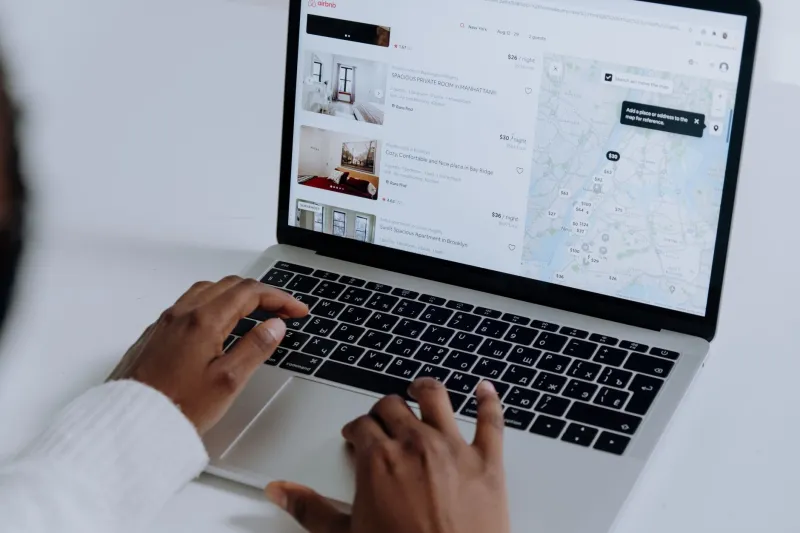
You've done your homework. You filtered by rating, read through a stack of reviews, checked the photos, and landed on a hotel with a 4.7 out of 5 and hundreds of guests raving about the "spotless rooms" and "incredibly helpful staff." You book with confidence.
Then you check in and find a bathroom that hasn't seen a deep clean since the Obama administration.
This isn't just bad luck. It's increasingly a symptom of a review ecosystem that's been quietly gamed for years. Fake hotel reviews — and the more subtle world of incentivized ones — are a genuine, widespread problem that the major booking platforms haven't fully solved. And since most Americans plan at least one trip a year that involves a hotel stay, it's worth understanding exactly what's going on before you commit several hundred dollars to a reservation.
The Three Main Ways Hotel Ratings Get Manipulated
Not all fake reviews are created the same way. The manipulation tends to fall into a few distinct categories.
Review farms and paid review mills are probably what most people picture: companies that pay individuals — often overseas, where rates are low — to write positive reviews for paying clients. These operations can generate dozens or hundreds of reviews quickly, pushing a property's average rating up in a matter of weeks. The reviews are typically generic ("Great location! Very comfortable!"), but they're hard to distinguish from real ones at a glance.
Incentivized reviews from actual guests are trickier, because a real guest wrote them — they just got something in return. A hotel might offer a discount on a future stay, a free breakfast, or a room upgrade in exchange for a positive review. This practice violates the terms of service of most major platforms and technically requires FTC disclosure in the US, but enforcement is spotty. The reviews read as authentic because in some ways they are, but the star rating is still being artificially inflated.
Competitor sabotage is the dark side of the same coin. Instead of boosting their own ratings, some properties (or the shady agencies they hire) submit negative fake reviews targeting competing hotels nearby. A one-star review describing a fictional bed bug infestation can do real damage to a competitor's ranking and booking rate.
Why the Algorithms Keep Getting Fooled
TripAdvisor, Google, Expedia, and Booking.com all say they use automated systems to detect fake reviews. And they do catch some. But the problem is genuinely difficult to solve at scale.
Review farms have adapted. They use rotating IP addresses, real-looking accounts with review histories, and carefully varied language to avoid pattern detection. When platforms update their filters, the farms update their tactics. It's a slow-moving arms race, and the platforms are often a step behind.
There's also a financial incentive problem. These platforms make money when people book, and a hotel with a strong rating drives more bookings. That's not to say they're actively ignoring fraud — but aggressive rating removal can also catch legitimate reviews in the net, which creates its own headaches and complaints. The threshold for action tends to be conservative.
A 2023 investigation by the UK's Competition and Markets Authority found that fake reviews were "widespread" across major platforms and that existing detection systems were insufficient. The FTC has been stepping up enforcement in the US, but the review ecosystem is enormous and the bad actors are creative.
Red Flags That Should Make You Pause
Here's the practical stuff — what to actually look for when you're evaluating a hotel's reviews before booking.
A sudden spike in reviews over a short period. If a hotel has 40 reviews accumulated over three years and then 200 show up in a single month, that's a red flag. Some platforms show review dates; use them.
Reviews that are suspiciously uniform in tone. Real guest experiences vary. If review after review uses the same adjectives, mentions the same specific amenities in the same order, or reads like it was written from a template, be skeptical.
No negative reviews at all — or only one-liners. A 4.9 average with zero critical feedback is almost statistically impossible for any hotel with real volume. Authentic review profiles almost always include some complaints, even at excellent properties. Similarly, a flood of very short, non-specific reviews ("Great stay! Highly recommend!") with no detail is a warning sign.
Reviewer profiles with no history or very recent account creation. On platforms that let you click through to reviewer profiles, check them. An account created last month with one review — for this hotel — is suspicious. An account with a consistent history of reviews across different cities and categories is more credible.
A rating that doesn't match the written reviews. Sometimes a hotel has a 4.5 average, but when you actually read the text, you see recurring complaints about noise, cleanliness, or unresponsive staff. This disconnect can indicate that the numerical rating has been boosted artificially while the written content (harder to fake convincingly at scale) tells a different story.
Better Sources to Cross-Reference
No single platform has clean data, so the move is to triangulate.
Read reviews across multiple platforms. A hotel that looks great on Booking.com but has a 3.2 on Google with recent photos showing peeling wallpaper is telling you something. Manipulators rarely invest equally across all platforms.
Check recent reviews specifically. Sort by "most recent" rather than "most helpful" or "top." A hotel that was great two years ago might have changed ownership or let maintenance slide. What guests experienced last month is more relevant than what they experienced in 2021.
Use Fakespot or ReviewMeta. Both tools analyze review patterns on major platforms and flag suspicious activity. They're not perfect, but they add a useful layer of analysis that a quick scroll won't give you.
Look at photos uploaded by guests, not the hotel. Hotel-supplied photos are marketing material. Guest-uploaded photos — especially recent ones — show you what the rooms actually look like. A dramatic gap between the two is a useful signal.
Reddit and travel forums. The r/travel and r/solotravel communities on Reddit, along with forums like TripAdvisor's actual discussion boards (separate from the reviews), tend to have candid, unfiltered takes. People aren't leaving reviews there for a discount.
The Bottom Line
Travel booking platforms have made it genuinely easier to find and compare hotels — that's real value. But the review systems those platforms depend on have a manipulation problem that hasn't been solved, and probably won't be completely solved anytime soon.
The honest move is to treat any hotel's star rating as a starting point rather than a verdict. Dig into the actual text, cross-reference across platforms, look at guest photos, and pay attention to recent feedback specifically. A little extra skepticism before you book can save you from a very disappointing check-in.
Your travel budget is real. The reviews propping up some of those ratings? Not always.