We Spent $200 Testing Screen Protectors So You Don't Have to — The Results Were Embarrassing
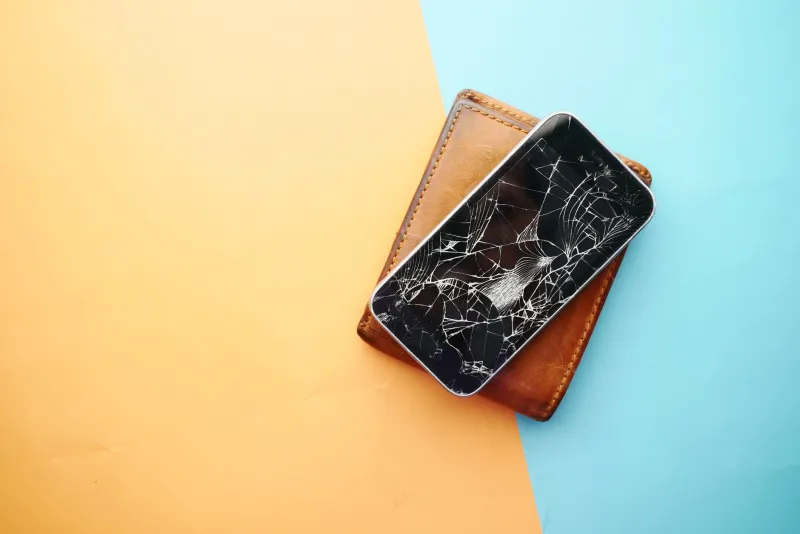
Here's a scenario a lot of us know too well: you just dropped $1,000+ on a new phone, so you head to the carrier store or the phone case aisle at Best Buy and spend another $40 to $60 on a "premium" tempered glass screen protector. It feels like the responsible thing to do. The packaging promises military-grade protection, 9H hardness, and crystal-clear optical transparency. You feel good about it.
Then you find the same phone model protected by a $7 protector from Amazon — and it survives a concrete drop just fine.
We got curious. So we bought 11 screen protectors across a range of price points — from $4.99 two-packs on Amazon to $54.99 branded protectors from carriers and specialty retailers — and put them through a consistent set of real-world tests. Here's what we found.
How We Tested
We used a set of identical phone dummy units (same model, same dimensions) so every protector was evaluated on the same surface. Each protector was applied following the manufacturer's instructions. Then we ran three categories of tests:
Drop simulation: We used a controlled drop rig at two heights — 4 feet (roughly counter height) and 6 feet (above-head height) — onto concrete and hardwood. Each protector was dropped three times per surface per height.
Scratch resistance: Using a standardized Mohs hardness testing kit with mineral picks ranging from 1 to 9, we dragged each pick across the surface under consistent pressure to find where visible scratches appeared. Most manufacturers advertise "9H hardness" — we were testing whether that claim actually held up.
Optical clarity: We measured light transmission using a lux meter before and after applying each protector to the same display, and assessed color accuracy and glare informally under both indoor lighting and direct sunlight.
The 9H Hardness Claim Is Almost Meaningless
Let's start here because it's the most widespread piece of marketing language in this category — and it's also the most misleading.
The "H" in 9H refers to pencil hardness, not the Mohs mineral scale. These are two completely different measurement systems. Pencil hardness tops out at 9H, so when a screen protector brand says "9H hardness," they're essentially saying "the hardest rating on this unrelated scale" — which sounds impressive but doesn't actually tell you how the glass compares to, say, a piece of gravel in your pocket.
In our Mohs scratch tests, the results were humbling across the board. The $54.99 carrier-brand protector showed visible scratches at a Mohs hardness of 6 — the same level as a steel file or a common quartz grain (which, yes, is found in sidewalk dust). The $6.99 budget option? Also scratched at Mohs 6. The performance gap between the cheapest and most expensive protectors in our scratch tests was essentially zero.
Drop Tests: Where Things Got Interesting
This is where we expected the premium protectors to pull ahead. They didn't — at least not consistently.
At the 4-foot drop onto hardwood, every single protector in our test survived without cracking. At 4 feet onto concrete, eight of eleven survived. The three that cracked included one budget option ($4.99) and two mid-range options in the $18–$22 range. The $54.99 premium protector survived all concrete drops.
But here's the thing: so did a $9.99 protector from a brand most people have never heard of. And a $7.49 two-pack where we only used one of the included protectors.
At the 6-foot concrete drop, we saw more cracking — but again, price didn't cleanly predict survival. Two budget protectors cracked. One mid-range cracked. The premium held. But so did two other sub-$12 options.
The most honest summary: protector thickness and edge design seemed to matter more than brand name or price. Several budget options were actually thicker (0.33mm vs. 0.2mm) than their expensive counterparts, which likely contributed to their performance.
Clarity: The Premium Protectors Do Win Here
We'll give credit where it's due. In optical clarity, the more expensive protectors did show a measurable advantage — though it was smaller than you might expect.
The $54.99 protector transmitted approximately 96% of the display's baseline lux output. The best budget option came in around 91%. In side-by-side comparisons under bright indoor light, the difference was visible but subtle — you had to be looking for it.
Under direct sunlight, the anti-glare coating on the premium option was noticeably better. If you use your phone outdoors frequently, that's a real-world advantage worth considering.
For most people, though? The 5% clarity difference is not something you'd notice in daily use.
So What Should You Actually Buy?
Based on our testing, here's a straightforward framework:
-
If you use your phone primarily indoors and aren't particularly rough on it, a $8–$15 tempered glass protector from a reputable Amazon seller with solid reviews (look for 4.3+ stars with 1,000+ ratings) will likely serve you just as well as the $50 option.
-
If you're outdoors a lot or work in physical environments (construction, outdoor recreation, etc.), spending in the $20–$35 range for a protector with a verified anti-glare coating and edge reinforcement is probably worth it.
-
Avoid the carrier store upsell. The $54.99 protectors sold at phone carrier counters are almost always the same or similar glass as what's available online for a fraction of the price, with a brand name doing most of the work.
-
Skip the "privacy" screen protectors unless you genuinely need them — they uniformly reduce clarity and brightness in ways that affect daily usability.
The Bottom Line
The screen protector market is a masterclass in marketing doing more work than the product. "9H hardness," "military-grade," and "nano-shield technology" are phrases designed to justify price points, not describe meaningfully better performance.
The honest answer is that a well-reviewed $10 tempered glass protector will protect your phone from scratches and moderate drops just as well as the premium version sitting behind the counter at your carrier store. The premium options have a real edge in optical quality — but for most people, that edge isn't worth a $40 markup.
Shop by thickness (0.33mm is the sweet spot), edge-to-edge coverage, and verified buyer reviews. Ignore the buzzwords. Your wallet will thank you.