That 'Natural Flavors' Label on Your Snack Is Basically Meaningless — Here's the Proof
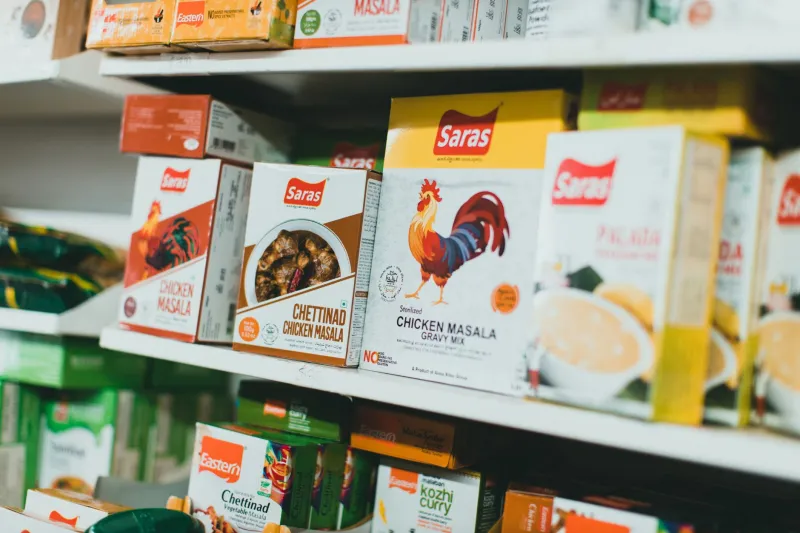
Picture two bottles of strawberry-flavored water. One says "made with natural flavors." The other says "artificially flavored." You grab the natural one without thinking, maybe even pay a little extra for it. Feels like the right call, right?
Here's the uncomfortable truth: those two bottles might contain chemically identical compounds, produced in nearly identical ways, with zero meaningful difference in health impact. The label you trusted to guide your decision is, in large part, a marketing tool — not a nutritional one.
What the FDA Actually Says (And What It Doesn't)
The FDA does have a legal definition for "natural flavor." According to 21 CFR 101.22, a natural flavor is one derived from a plant, animal, seafood, dairy product, fermentation product, or similar natural source — when the primary function of that ingredient is flavoring, not nutrition.
Sounds reasonable enough. But here's where it gets murky: a natural flavor can go through extensive chemical processing, involve dozens of synthetic solvents and carrier agents, and end up as a highly engineered compound that bears almost no resemblance to its original source. A "natural strawberry flavor" might involve a single molecule extracted from strawberries, then processed and combined with a cocktail of other approved additives before it lands in your drink.
Artificial flavors, meanwhile, are often simpler compounds — synthesized in a lab to mimic a specific taste, sometimes with fewer total chemicals involved than their "natural" counterparts.
The FDA doesn't require companies to disclose what the natural or artificial flavors actually are. That's proprietary information. So "natural flavors" on an ingredient list is essentially a black box.
The Price Premium You're Paying for a Label
Here's where this gets personal for your wallet. "Natural" branding commands real money. Studies have shown that consumers consistently rate products labeled "natural" as healthier, tastier, and worth paying more for — even when the products are functionally identical.
Food manufacturers know this. A product reformulated to swap out artificial flavors for natural ones can justify a price hike of anywhere from 10% to 30% at retail, even if the actual ingredient cost difference is negligible or zero.
Consider vanilla. Real vanilla extract comes from vanilla beans — expensive, labor-intensive, and subject to supply chain volatility (Madagascar, which produces most of the world's vanilla, has experienced repeated crop disruptions). The primary flavor compound in vanilla is vanillin. That same vanillin can be synthesized artificially, or it can be derived from sources like wood pulp byproducts and still qualify as "natural" under FDA rules. Many products labeled "natural vanilla flavor" aren't using anything close to actual vanilla beans — but they're charging you as if they are.
Real Products, Real Deception
This isn't abstract. Walk through any American grocery store and you'll find it everywhere.
Flavored chips and crackers: Many premium-positioned snack brands prominently feature "no artificial flavors" on front-of-pack labeling. Flip to the back and you'll find "natural flavors" buried in the ingredient list with no further explanation. The flavor profile is often chemically engineered to be just as addictive and intense as any artificial equivalent — it's just derived from a technically qualifying source.
Kids' fruit snacks: "Made with real fruit flavor" and "natural flavors" appear on packaging alongside cartoon characters and bright colors. The actual fruit content in many of these products is negligible. The flavor comes from natural flavor compounds — not from the fruit itself.
Protein powders and supplements: This category is particularly aggressive. "No artificial flavors" is a major selling point in the fitness supplement space, and brands charge significantly more for it. But natural flavoring in a chocolate protein powder might involve processed cocoa derivatives combined with flavor enhancers that are anything but simple.
The "Clean Label" Trap
The food industry has a term for this phenomenon: clean labeling. It refers to the practice of reformulating products — or simply relabeling them — to remove words that consumers have been trained to distrust, like "artificial," "synthetic," or specific chemical names.
Clean labeling doesn't necessarily make food healthier. It makes food marketable. A product can swap sodium benzoate (a preservative consumers recognize as artificial) for rosemary extract (which sounds wholesome) and call itself clean — even if the rosemary extract is doing the exact same preservative job.
The same logic applies to flavors. "Natural" is a feel-good word. It does marketing work. It doesn't do nutritional work.
How to Actually Shop Smarter
So what can you do when the label itself isn't trustworthy?
Stop letting "natural" be a dealbreaker. If a product with artificial flavors is cheaper and otherwise similar in nutritional profile, you're not making a worse health choice by buying it. You're making a smarter financial one.
Look at the full ingredient list, not the front label. The front of a package is advertising. The back is (imperfect) disclosure. Pay attention to sugar content, sodium, and actual whole ingredients — those matter far more than whether the flavoring is natural or artificial.
Use tools like Open Food Facts or the EWG Food Scores database. These resources aggregate ingredient data and flag potential concerns that the label itself won't tell you.
When in doubt, go unflavored. If you're buying something like oatmeal, yogurt, or sparkling water and you're paying a premium for a flavor — natural or otherwise — consider buying the plain version and adding real ingredients yourself. You'll know exactly what's in it.
The Bottom Line
Food labeling in the US is a patchwork of genuine regulation and gaping loopholes, and "natural flavors" sits squarely in one of the biggest gaps. The term signals nothing reliable about health, safety, ingredient simplicity, or value. It signals one thing with certainty: the marketing team did their job.
At Honest Choice, we think you deserve to know when a label is doing more work for the brand than it is for you. This is one of those times. The next time you reach for the "natural" option and pay extra for it, ask yourself: natural compared to what, exactly? Chances are, the answer is a lot more complicated than the packaging wants you to believe.