That Influencer Gushing Over a Product Probably Has No Idea What It Actually Does
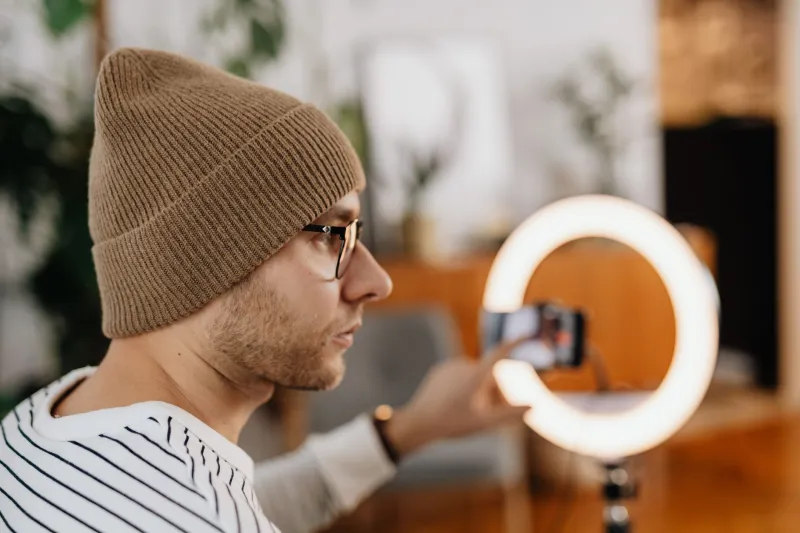
Let's set the scene. You're scrolling through Instagram or TikTok, and someone you've followed for years — someone whose taste you genuinely trust — is absolutely losing their mind over a new serum, a blender, or a pair of running shoes. They look thrilled. They sound convincing. And before you know it, the product is sitting in your cart.
But here's the uncomfortable truth: there's a very real chance that influencer has never used that product for more than a few hours. Maybe they received it the day before filming. Maybe they didn't receive it at all and are working entirely from a brand brief. And in a surprising number of cases, the financial arrangement behind that glowing review is buried so deep in the caption — or not disclosed at all — that you'd never know money changed hands.
This isn't a fringe problem. It's basically the business model.
The FTC Has Rules. They Just Don't Work That Well.
The Federal Trade Commission does have guidelines around influencer disclosures. In theory, any time a creator receives payment, free products, or any other form of compensation in exchange for promoting something, they're required to clearly disclose that relationship. The FTC even updated its endorsement guidelines in 2023 to close some loopholes and clarify expectations.
In practice? Enforcement is spotty at best. The FTC has sent warning letters to creators and brands over the years, but actual fines are rare, and the sheer volume of sponsored content published every single day makes meaningful oversight basically impossible. A small agency with limited resources is up against millions of posts across dozens of platforms. You do the math.
Meanwhile, brands and creators have gotten very creative about staying technically compliant while doing everything they can to make sponsored content feel organic. A tiny "#ad" buried after fifteen other hashtags. A "partner" tag that most viewers scroll right past. A "gifted" label squeezed into the second line of a caption that collapses on mobile. These aren't accidents — they're strategies.
What "Authentic" Actually Looks Like
Here's where it gets genuinely complicated. Not every paid partnership is dishonest. Some influencers really do love the brands they work with. Some have been using a product for years before a sponsorship ever came up. Compensation doesn't automatically equal deception.
But authentic endorsements tend to have a specific texture that's worth learning to recognize. A creator who genuinely uses something will usually be able to describe it in granular, specific detail — not just vibes and adjectives, but actual experience. They'll mention the learning curve, or the thing they don't love about it, or the specific way they personally use it. Real enthusiasm tends to come with nuance.
Contrast that with sponsored content that reads like it was written by a marketing team — because it often was. Vague superlatives. Suspiciously perfect before-and-after framing. Talking points that match the brand's website almost word for word. A link in bio that conveniently appeared the same day as the post.
The Red Flags You Should Be Looking For
When you're evaluating whether an influencer recommendation is worth trusting, run through this checklist:
The disclosure is hard to find. If you have to hunt for it, that's intentional. Legitimate disclosures are upfront — ideally in the first line of the caption or clearly stated in the first few seconds of a video.
They can't answer basic questions. Scroll through the comments. If followers are asking simple product questions and the creator is deflecting or giving non-answers, that's a tell. Someone who actually uses something can answer questions about it.
The review is suspiciously flawless. Real product experiences have rough edges. If everything about a product is perfect with zero caveats, you're probably reading a brand brief, not a personal opinion.
The product is wildly outside their usual content. A fitness creator suddenly raving about a financial app. A home decor account pushing a supplement. When the product has nothing to do with the creator's actual niche, it's almost always a pure cash play.
The timeline is impossibly short. Watch for posts that go up within days of a product launch. There's no universe in which someone has genuinely tested a skincare product in 48 hours. Results take time, and honest creators say so.
Multiple creators post the same thing at once. This is a coordinated brand campaign. Nothing wrong with that inherently, but when you see ten accounts posting the same talking points in the same week, you're watching a marketing rollout, not a spontaneous wave of genuine enthusiasm.
Platforms Aren't Exactly Helping
Instagram, TikTok, and YouTube all have built-in paid partnership disclosure tools. Brands and creators can tag content as sponsored right in the interface. These tools exist. They're just not always used — and platforms don't aggressively enforce their own policies.
TikTok has been particularly scrutinized for the speed at which sponsored content moves through its algorithm, making disclosures even harder to catch in a 15-second video. YouTube has slightly better enforcement given that the FTC has historically paid more attention to the platform, but it's still inconsistent.
The honest reality is that the financial incentive to obscure sponsorships is enormous. A post that reads as organic can drive significantly higher engagement and conversion than one that leads with "this is an ad." Creators know this. Brands know this. And the system isn't currently set up to stop it.
So How Do You Actually Protect Yourself?
Start treating influencer recommendations the way you'd treat a pitch from a commissioned salesperson — with interest, but also with healthy skepticism. That doesn't mean dismissing every creator you follow. It means adding a step before you buy.
Search for independent reviews on Reddit, YouTube, or review platforms where there's no financial relationship at stake. Look for long-term user feedback rather than launch-week hype. Check whether a product shows up on lists compiled by publications with editorial standards and no brand ties.
If you genuinely like a creator and want to support them, that's great — but let their recommendation be a starting point, not a finishing line. The best creators will tell you to do your own research anyway. The ones who don't want you to look too closely are the ones worth being suspicious of.
At the end of the day, the influencer economy isn't going anywhere. But your money is yours, and spending it based on a paid performance dressed up as a personal recommendation is exactly the kind of thing we think you deserve better than.