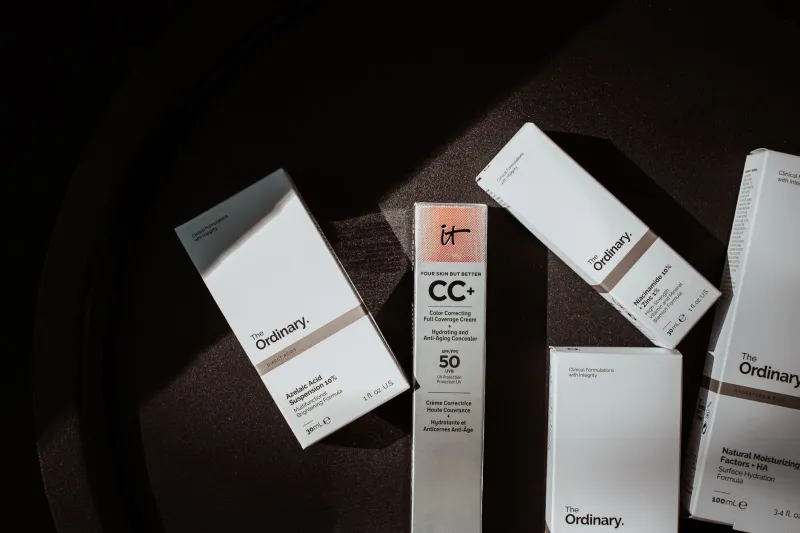
DTC Brands Promised to Save You Money by Skipping the Middleman — So Why Are You Still Paying So Much?

Remember when Warby Parker launched and the whole pitch was basically: glasses are expensive because of corporate greed, and we're here to fix that? It was a compelling story. Cut out the retailer, sell direct, charge less. Simple math, right?
Except the math never quite worked out the way consumers were led to believe. And Warby Parker is far from alone. An entire generation of DTC brands — from mattress companies to razor subscriptions to skincare lines — built their marketing around the idea that you, the consumer, were being ripped off by the traditional retail system. They were going to save you.
Spoiler: a lot of them didn't.
The 'No Middleman' Story Is Doing a Lot of Work
Here's the foundational claim every DTC brand leans on: traditional retail involves manufacturers, distributors, wholesalers, and retailers, each adding a markup along the way. By selling directly to you through their own website, they eliminate all those markups and split the savings with you.
On paper, that logic holds up. In practice, it falls apart pretty fast.
What DTC brands don't advertise is that removing the retailer from the equation doesn't eliminate costs — it just moves them. Instead of paying a Macy's or a Target to stock and sell their product, DTC companies have to handle all of that themselves. That means warehousing, fulfillment, customer service, returns processing, and — the big one — customer acquisition.
Finding new customers without a physical shelf to put your product on is expensive. We're talking Facebook ads, Instagram influencers, podcast sponsorships, Google search campaigns, and enough email marketing to fill your inbox for a decade. Industry analysts have estimated that some DTC brands spend anywhere from $50 to over $100 just to acquire a single customer. That cost doesn't disappear. It gets baked right into the price you pay.
The Markup Is Still There — It's Just Less Visible
Traditional retail markups are easy to resent because they're visible. You know a store is taking a cut. DTC markups are murkier because the brand controls the narrative entirely.
Take a look at a typical DTC mattress brand. A queen mattress sold direct-to-consumer might retail for $1,000 to $1,500. The materials and manufacturing cost? Estimates from people who've done the teardowns put it somewhere between $200 and $400. That's a 300% to 600% markup — not exactly the consumer-friendly pricing revolution that was promised.
The same pattern shows up in DTC luggage, apparel, supplements, and beauty products. The margin structures often aren't meaningfully different from what you'd find at a mid-tier department store. What is different is how aggressively the brand controls the story around that price.
Urgency Tactics That Would Feel Right at Home on QVC
If DTC brands genuinely offered better prices, they wouldn't need to push you so hard to buy right now. And yet, the urgency playbook these companies run is remarkably similar to the high-pressure tactics used by the retailers they claim to be disrupting.
Flash sales that happen every single week. "Limited time" discounts that somehow never fully expire. Countdown timers on product pages that reset the moment they hit zero. Bundle deals that only make sense if you were already planning to spend $200. Referral codes dangled in front of you before you've even received your first order.
This isn't a company that's confident it's offering you a great deal on its own merits. This is a company that's been told by its growth team that conversion rates spike when customers feel pressure. The tactics are the same — they've just been repackaged in a cooler font and a more minimal aesthetic.
The Subscription Trap Is a Classic
A lot of DTC brands lean hard into subscriptions, and the pitch is always framed as a discount: subscribe and save 15%. What they're really doing is locking in recurring revenue and making it just inconvenient enough to cancel that many customers stay subscribed longer than they intended.
The "subscribe and save" price is often still higher than what you'd pay for a comparable product at a Costco or a Target. And the friction involved in pausing, skipping, or canceling a subscription — navigating account dashboards, waiting for confirmation emails, dealing with customer service — is not accidental. It's designed.
When DTC Actually Does Make Sense
This isn't a blanket indictment of every brand that sells through its own website. There are genuine cases where buying direct makes sense for consumers.
If a product is highly specialized and simply isn't available through traditional retail, going direct is often your only option. Some DTC brands do offer meaningful customization — eyewear prescriptions, custom-fit clothing, personalized supplements — that justifies a premium. And for certain categories, the return policies and customer service from a DTC brand can be meaningfully better than what you'd get through a third-party retailer.
The problem isn't the DTC model itself. The problem is the marketing claim that the model automatically translates to savings for you.
How to Actually Evaluate a DTC Brand's Pricing
Before you buy into the "cutting out the middleman" pitch, run a few quick checks:
Compare to Amazon and big-box alternatives. A quick search will often reveal that a comparable product — or sometimes the exact same product from a different brand — is available for less. If the DTC price isn't competitive, the "no middleman" story isn't doing what it claims.
Check how often they run sales. If a brand is perpetually discounting, the "original" price is essentially fictional. The sale price is the real price, and even that might not be the deal they're presenting it as.
Read the subscription fine print. Before signing up for any DTC subscription, look up exactly how to cancel before you ever place your first order. If the cancellation process isn't clearly documented, that's a red flag.
Look for independent cost breakdowns. For higher-ticket items like mattresses, luggage, or electronics, there are often journalists or YouTubers who've done teardown analyses. These can give you a realistic sense of what the product actually costs to make versus what you're paying.
The Honest Bottom Line
DTC brands aren't villains. Some of them make genuinely good products. But the narrative that buying direct automatically saves you money is a marketing story, not a financial reality. The middleman they cut out got replaced by a marketing department, a fulfillment operation, and an ad budget that runs into the tens of millions.
You're still paying for all of it. The invoice just looks different now.
Smart shopping means looking past the origin story and evaluating the actual price against actual alternatives. That's it. The brand's business model is their problem to figure out — your job is just to make sure you're getting a fair deal.