Store Brand vs. Name Brand: Which Private Label Products Are Worth It (And Which Ones Quietly Skimped)
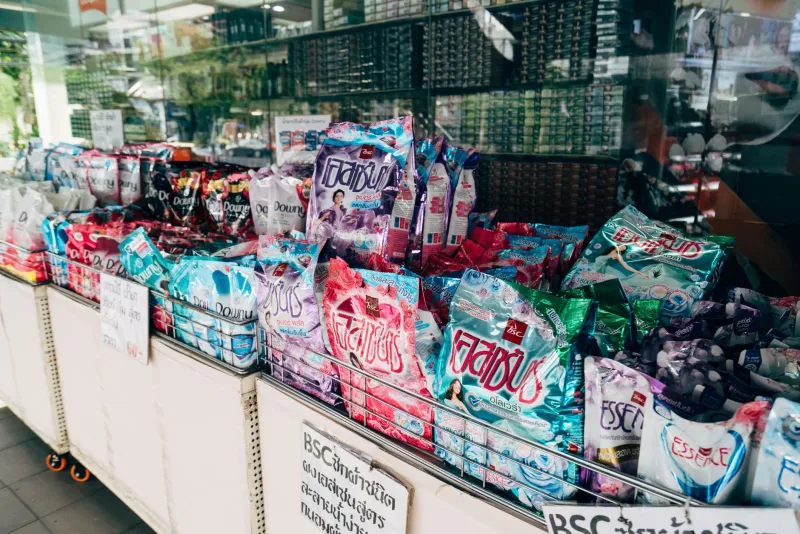
Walk down any grocery aisle and you'll see it: the name-brand product on the left, the store-brand version on the right, and a price difference that can feel almost too good to pass up. The store's own label is often 20 to 40 percent cheaper. Sometimes more. And the packaging practically begs you to believe it's the exact same thing inside.
Sometimes it is. Sometimes it really, really isn't.
Private label grocery products — sold under names like Kirkland Signature, Great Value, Simple Truth, or whatever your regional chain calls theirs — have exploded in popularity over the last decade. According to the Private Label Manufacturers Association, store brands now account for roughly one in every five items sold in U.S. grocery stores. That's a lot of swapped loyalties. But the question worth asking isn't just can you save money — it's what are you actually getting when you do.
How Store Brands Get Made (And Why That Matters)
Here's something the grocery industry doesn't advertise loudly: a significant chunk of store-brand products are manufactured by the exact same companies that make the name-brand versions. A major food conglomerate might produce a popular pasta sauce under its own label and then fill nearly identical jars for a supermarket chain's private label program. Same facility, same equipment, sometimes the same recipe.
This is called co-manufacturing, and it's genuinely common in categories like canned goods, frozen vegetables, dairy products, and pantry staples. When you buy a store-brand can of diced tomatoes or a bag of frozen peas, there's a reasonable chance it came off the same production line as the name brand sitting next to it.
But — and this is important — that's not always the case. And even when it starts that way, contracts change, suppliers shift, and formulations drift over time. A store brand that was identical to its name-brand counterpart three years ago might have a different supplier today.
The Categories Where Store Brands Hold Up Just Fine
Let's start with the good news. There are entire product categories where buying the store brand is genuinely the smart move and you're not sacrificing anything meaningful.
Pantry basics — flour, sugar, salt, baking soda, dried pasta, rice — are about as commodity as food gets. The store brand is almost universally fine here. There's no meaningful quality gap between Great Value all-purpose flour and a premium national brand for most home cooking purposes.
Canned and frozen produce tends to perform well under private labels too. Frozen vegetables in particular are often flash-frozen at peak freshness regardless of whose name is on the bag. The USDA grades that govern canned goods apply equally to store brands and name brands.
Over-the-counter medications are a category where the FDA actually enforces equivalency. A store-brand ibuprofen with the same active ingredient and dosage as Advil is, by legal definition, the same drug. You're paying for the brand name, full stop.
Kirkland Signature at Costco deserves special mention. Costco's private label has built a genuine reputation for quality because Costco negotiates hard with co-manufacturers and maintains strict specifications. Their olive oil, nuts, salmon, and a number of other products have consistently outperformed name brands in blind taste tests.
Where the Cuts Start to Show
Now for the part that might sting a little.
Not every store brand is quietly excellent. Some are priced lower specifically because the formulation is cheaper — fewer active ingredients, lower-grade sourcing, or simplified recipes that cut corners you might actually notice.
Condiments and sauces are a category worth scrutinizing. Flip over a store-brand mayo and compare the ingredient list to Hellmann's. In some cases you'll find different oil types, altered emulsifier blends, or a noticeably different texture that home cooks say affects their recipes. It might not bother you, but it's worth knowing.
Cheese is another one. Real cheese — the kind with actual aging time and milk fat standards — costs money to produce. Some store-brand shredded cheeses use more cellulose (the anti-caking powder) than name brands, which affects how they melt. If you're eating it straight, you might not care. If you're making a béchamel, you might.
Cleaning and household products can vary more than you'd expect. A store-brand dish soap might require more product per wash to achieve the same grease-cutting results as Dawn, which can erode the per-unit savings faster than you'd think.
Baby and infant products are a category where we'd urge genuine caution. Not because store brands are unsafe — they're regulated — but because formulations like infant formula are tightly controlled and any variation matters more here than in a bag of rice. Stick with pediatrician guidance on this one rather than shopping purely on price.
The Honest Way to Compare
The best tool you have is the ingredient list, and it's free. When you're standing in the aisle trying to decide, flip both products over and compare:
- Are the first three ingredients the same?
- Is the serving size identical (manufacturers sometimes shrink this to make nutritional comparisons look better)?
- Does the store brand list any ingredients the name brand doesn't, or vice versa?
For cleaning products, look at the active ingredient concentration. A lower percentage of the active compound in a store-brand bleach or disinfectant means you're diluting value, not just price.
You can also check Consumer Reports and the USDA's Agricultural Marketing Service, which publishes grade standards for dozens of food categories. These are dry reads, but they'll tell you what quality benchmarks actually exist.
The Bottom Line
Store brands are one of the most legitimate ways to cut your grocery bill without feeling it in your quality of life — but they're not a blanket win. The smartest approach is category-by-category skepticism rather than automatic trust or automatic dismissal.
Buy the store-brand canned tomatoes, ibuprofen, frozen corn, and pasta without a second thought. Take a harder look at anything that involves a complex formulation, a taste-sensitive application, or a product where you've noticed a difference before. Your grocery store is counting on the price gap to short-circuit that comparison. Don't let it.