Refurbished Electronics Are a Great Deal — Unless You Fall for These Retailer Tricks
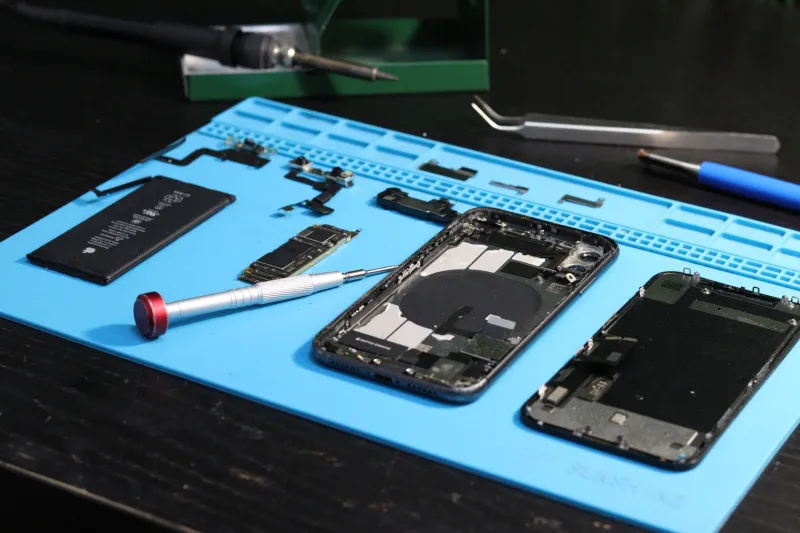
Refurbished electronics seem like the ultimate smart-shopper move. You get a device that looks (and hopefully works) like new, at a fraction of the original price. A refurbished iPhone 14 for $480 instead of $799? A laptop for $350 that retailed at $900? It sounds almost too good to be true.
Sometimes it is.
The phrase 'Certified Refurbished' gets thrown around so casually that most people assume it carries some kind of universal standard — like a government inspection stamp or an industry-wide checklist. It doesn't. Not even close. What 'certified' actually means depends almost entirely on who's doing the certifying, and that gap in standards is quietly costing American shoppers hundreds of dollars every year.
What 'Certified' Actually Certifies
Here's the uncomfortable truth: the word 'certified' in 'Certified Refurbished' is essentially self-awarded. There's no federal agency, no independent trade organization, and no universal benchmark that a product has to meet before a seller can slap that label on it. Each retailer — and sometimes each third-party seller — gets to define what the term means for themselves.
Apple's Certified Refurbished program, for example, is genuinely rigorous. Apple replaces the battery and outer shell on every device, runs full hardware diagnostics, and ships the product in new packaging with a standard one-year warranty. You're basically getting a new device with a used processor history.
But walk over to a third-party Amazon listing labeled 'Certified Refurbished' and things get murkier fast. Some of those sellers have legitimate refurbishment operations with trained technicians. Others are small operations that wipe the software, run a basic power-on test, and call it a day. The listing looks almost identical. The price difference might be $30. The quality difference could be enormous.
Best Buy's 'Geek Squad Certified Refurbished' products go through in-store testing and come with a 90-day Geek Squad warranty — which sounds solid until you realize that 90 days is a pretty narrow window for catching slow-developing hardware issues. Walmart's refurbished listings are even more variable, often sourced from a rotating pool of third-party refurbishers with different internal processes.
The Hidden Damage You Might Be Buying
Refurbished doesn't just mean 'someone else owned it.' It means something went wrong. The product was returned, it failed a quality check during manufacturing, it was a display model, or it was damaged in transit. Refurbishment is the process of fixing whatever that problem was — and the quality of that fix is everything.
Battery health is one of the biggest red flags. Lithium-ion batteries degrade with every charge cycle, and a phone or laptop that's been through a year of heavy use might have a battery holding only 80% of its original capacity. Some refurbishers replace batteries as standard practice. Many don't. If the listing doesn't explicitly mention battery replacement, you should assume it didn't happen.
Screen quality is another issue that's easy to miss in product photos. Refurbished devices sometimes get replacement screens that look fine in a warehouse but show color inconsistencies, slightly different brightness levels, or touch sensitivity issues that only become obvious in daily use.
Then there's internal component swapping — a practice where a refurbisher replaces a failed original component with a cheaper third-party part. This is particularly common with smartphone screens and batteries. The device functions, but it may not perform the same as it would with original parts. Apple has actually made this a bigger deal recently by tying certain hardware functions to original components, meaning a third-party screen replacement can disable Face ID or reduce camera quality.
How to Actually Read a Refurbished Listing
Before you buy anything labeled refurbished, here are the specific things you should verify — not assume.
Who certified it? If the listing says 'Certified Refurbished' but the certifier is the seller themselves, that's not a third-party endorsement. Look for manufacturer-certified programs (Apple, Samsung, Dell, Lenovo all have official ones) or well-established programs like Geek Squad or Back Market's grading system.
What's the warranty, and who backs it? A 90-day warranty from a small third-party seller is very different from a one-year warranty backed by the manufacturer. Read who you'd actually contact if something goes wrong.
What grade is it? Reputable refurbishers use grading systems — typically Grade A, B, or C — to describe cosmetic condition. Grade A means minimal to no visible wear. Grade C might have noticeable scratches or scuffs. If a listing doesn't mention a grade at all, that's a yellow flag.
Was the battery replaced? Ask directly if it's not stated. On platforms like eBay or Amazon, you can message the seller before purchasing. If they can't confirm it, assume the battery is original and factor in potential replacement costs.
What's the return window? Given that some hardware issues take weeks to surface, a 15-day return window is genuinely inadequate. Look for at least 30 days, ideally more.
Platforms That Do It Better
Not everyone in the refurbished market is cutting corners. Back Market has built its entire business model around verified refurbishers and standardized grading, and they back purchases with a one-year warranty regardless of which seller you buy from. Swappa is another platform with a strong reputation for transparent listings and seller accountability, particularly for phones.
For laptops and desktops, Dell Refurbished and Lenovo Outlet are both manufacturer-run and tend to be reliable. You'll pay a bit more than you would from a random third-party seller, but the standards are documented and the warranty is real.
Amazon Renewed has improved its standards in recent years, but the quality still varies significantly by seller. If you're buying through Amazon Renewed, filter for sellers with high ratings and read recent reviews specifically for the refurbished version of the product — not the new version.
The Bottom Line
Refurbished electronics can absolutely be worth it. Done right, buying refurbished saves real money, reduces electronic waste, and gets you a functional device without the new-device premium. But 'Certified Refurbished' is a marketing phrase, not a quality guarantee, and treating it like one is how people end up with a $400 laptop that needs a new battery three months in.
The honest approach is to treat every refurbished purchase like a used car sale: verify everything, ask the questions that aren't answered in the listing, and understand exactly what warranty protection you actually have. When the seller is vague about the details, that vagueness is itself a piece of information worth paying attention to.