HelloFresh vs. the Grocery Store: We Priced 20 Recipes and Found the Real Cost of Convenience
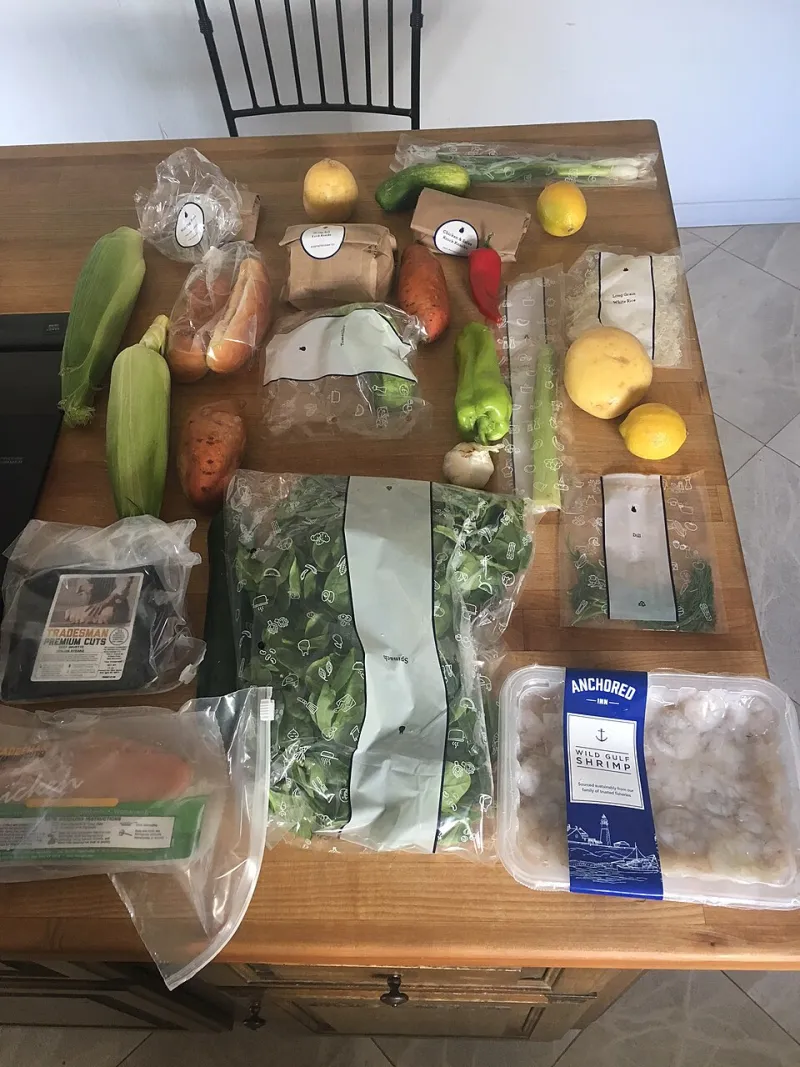
Photo: Timtempleton, CC BY-SA 4.0, via Wikimedia Commons
Meal kit ads love the phrase "skip the grocery store." What they don't mention is what skipping costs you.
We took 20 recipes from three of the biggest services in the US — HelloFresh, Blue Apron, and Home Chef — and priced the identical ingredients at a mid-range supermarket (think Kroger or Safeway pricing, not Walmart or Whole Foods). We used regular shelf prices, no coupons, no sales. Then we ran the math.
The Headline Number: Roughly a 2x Premium
Across all 20 recipes, the meal kits averaged about $11.80 per serving. The same ingredients bought at the grocery store averaged about $4.10 per serving.
That's a markup of nearly 190% — roughly $7.70 extra per plate. For a couple eating five kit meals a week, that's about $150 a month in pure convenience premium. For a family of four, it climbs past $300.
Where did the gap come from? Proteins. Meal kits charge a steep premium on meat and seafood — a kit's two salmon fillets often cost double or triple what the fish counter charges for the same weight. Pantry staples like olive oil, soy sauce, and spices, which meal kits portion out in tiny packets, are nearly free per-use at home.
The Hidden Math Nobody Talks About: Waste
Here's where the comparison gets less one-sided. When you buy groceries for a recipe, you often can't buy two tablespoons of hoisin sauce. You buy a bottle. If you never use the rest, your real per-meal cost is higher than the receipt suggests.
We factored estimated waste into our grocery totals — assuming the standard spoilage and unused-ingredient rates USDA researchers have documented for typical households. Adjusted for waste, the grocery cost rose to roughly $5.25 per serving. The gap narrowed, but meal kits still cost more than twice as much.
When Meal Kits Actually Win
We're an honest-comparison site, so credit where it's due. Meal kits came out ahead — or at least competitive — in three scenarios:
- Solo cooks and small households. A single person buying ingredients for one often wastes 30–40% of what they purchase. Kits eliminate that, and some services now offer two-serving meals that stretch into leftovers.
- People replacing takeout, not cooking. If the alternative is a $22 delivery order, a $12 kit serving is a bargain. The comparison that matters is against your actual alternative.
- Exposure to new recipes. There's real value in not throwing away a wilting bunch of cilantro because you bought it for one recipe and never circled back.
When You Should Skip Them Entirely
Families of four or more get hammered hardest by kit pricing, because the per-serving premium multiplies. Households that already cook regularly also lose — experienced cooks can usually replicate any kit recipe for a fraction of the cost, since the recipes themselves are simple by design.
And if cash flow is tight, this is one of the easiest budget cuts in existence. It's a subscription, it arrives weekly, and canceling takes two minutes.
The Middle Path
You don't have to choose between full-price kits and full grocery runs. A hybrid works well: keep a kit subscription for one or two nights a week when you're slammed, and cook from groceries the rest of the time. Or use the kits as a recipe library — most services publish their recipes free, and you can shop the ingredient list yourself for a third of the cost.
Convenience has a price. The problem isn't paying it — it's paying it without knowing you are.