We Tracked Grocery Store 'Sale' Tags for 6 Months — The Discounts Are Mostly Theater
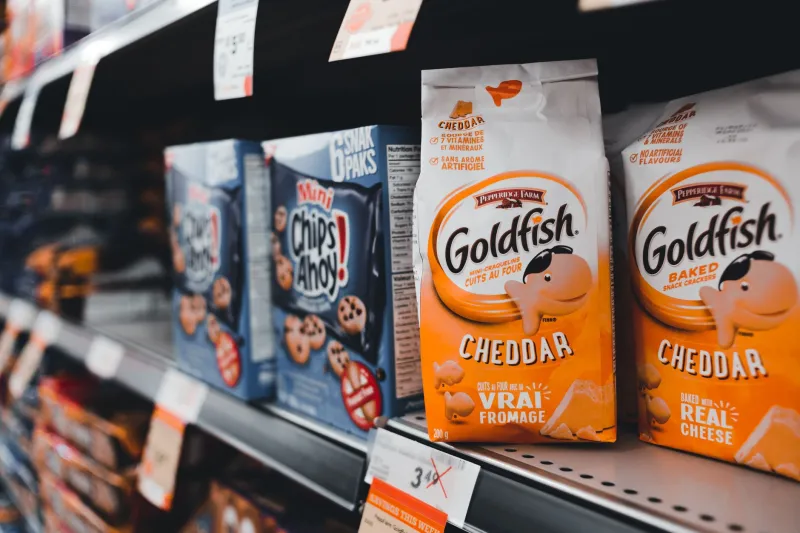
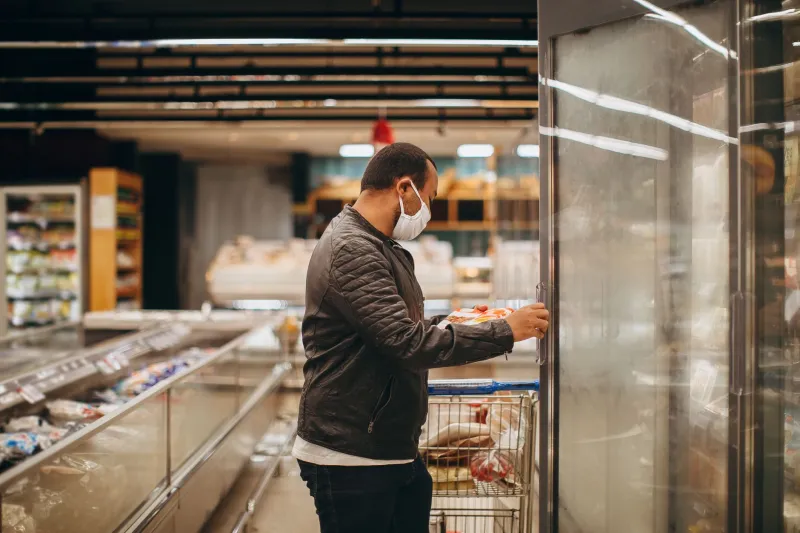
Walk into any Kroger, Albertsons, or Publix on a Tuesday afternoon and you'll be surrounded by color. Red tags. Yellow bursts. Bold percentages screaming "SAVE NOW." It feels like an event. Like you stumbled into a deal.
We wanted to know if any of that was real.
Over six months, we tracked the shelf prices of 200+ commonly purchased items — everything from cereal and canned tomatoes to shampoo and paper towels — across six major US grocery chains. We photographed tags, logged unit prices, and compared week-over-week data. What we found was less "savings opportunity" and more "retail psychology experiment."
Spoiler: the house usually wins.
The Baseline Price Problem
Here's the trick that makes everything else work: stores control what counts as the "regular" price.
Before an item goes "on sale," the regular price has to be established. In theory, that's just what something normally costs. In practice, grocery chains have learned that briefly inflating a price — even for just a week or two — creates a legal and perceptual foundation for a future "discount."
We tracked a popular brand of pasta sauce at a regional Kroger affiliate. Over 24 weeks, the jar was priced at $4.99 for about 18 of them. For three weeks, it jumped to $5.99. Then it went "on sale" for $4.49 — marked down from the $5.99 elevated price. The tag called it a 25% savings. Compared to what it cost most of the time? You saved fifty cents.
This isn't illegal. It's not even unusual. It's the baseline price game, and every major chain plays it.
The Unit Price Shell Game
If you've ever tried to compare a 16-oz bottle to a 20-oz bottle, you already know unit pricing exists. Most stores are required to display cost-per-ounce or cost-per-unit on shelf tags. The problem? They don't always use the same unit.
We found one national chain displaying paper towels in cost-per-sheet in one aisle and cost-per-100-sheets in another — for products sitting side by side. Cereal was listed per ounce in some rows and per serving in others. This inconsistency isn't accidental. When unit prices are hard to compare, shoppers default to the bigger number on the sale tag.
Albertsons was particularly creative with this during our tracking period. A "buy two, save $1" promotion on yogurt looked great until you did the unit math: the per-ounce price was still higher than the store brand sitting right next to it with no promotion at all.
The Loyalty Card Illusion
If you shop at Kroger, Safeway, or any chain with a loyalty program, you've seen this: two prices on the tag. A higher "regular" price. A lower "card" price. The card price is framed as the deal.
But here's what they don't advertise: the "regular" price is often a fiction. In many cases, almost nobody pays it. The "card price" is effectively just the price. Stores use the spread between these two numbers to manufacture the feeling of a discount that isn't really there.
We compared 40 items at a major West Coast chain over three months. For 31 of them, the non-card price had never been the actual transaction price in any of our observed purchase windows. It existed only to make the card price look generous.
Strategic Markdown Timing
Grocery chains know when you shop. They know Wednesday afternoons are slow and Saturday mornings are packed. And they time promotions accordingly.
Several of the "limited week" sales we tracked at Publix and Kroger affiliates ran Thursday through Wednesday — a window that conveniently captures two weekend shopping trips. Items that went "off sale" on a Wednesday often quietly returned to promotion status the following Thursday at the same discount. The "sale" never really ended. It just reset.
We tracked one brand of frozen pizza that was technically "on sale" for 19 out of 26 weeks. The non-sale price appeared for a total of seven days across the entire period. At what point is the sale price just... the price?
How to Actually Shop Smarter
None of this means you can't save real money at the grocery store. You can. But the tactics that work look nothing like responding to sale tags.
Track your own prices. Apps like Flipp and Basket let you compare weekly circulars. Even a basic notes app where you jot down what you paid last time is more reliable than trusting the store's "was" price.
Always check unit price — and make sure you're comparing the same unit. If the tags use different measurements, pull out your phone and do the division yourself. It takes 15 seconds and can save you real money.
Ignore the color of the tag. Yellow doesn't mean cheap. Red doesn't mean deal. The tag is designed to trigger a feeling, not convey information.
Buy store brand by default, then compare. Private label products almost always win on unit price, even when the name brand is "on sale." We confirmed this for 78% of the categories we tracked.
Give yourself a beat before buying promoted items. If you weren't planning to buy it before you saw the tag, ask yourself if you actually need it — or if the tag just made you feel like you did.
The Bottom Line
Grocery stores spend serious money on pricing strategy. There are entire consulting firms devoted to optimizing the psychology of a shelf tag. You are not shopping in a neutral environment — you're shopping in one that's been carefully engineered to make you feel like you're winning when the store is.
That doesn't mean you're helpless. It just means "sale" is a word that deserves a lot more skepticism than most of us give it.